
Services We Offer
Assessments and Evaluations
 A thorough evaluation is conducted with emphasis upon a correct and accurate diagnosis of the problem. Usually requiring between one to three sessions, a history of the presenting problem, including symptoms, previous treatment, and recent social stressors is examined. The client may be asked to fill out some self-rating forms to assess the levels of symptoms such as anxiety and depression and the degree to which these symptoms are impacting the important areas of the client’s life. From this data an individualized treatment plan is designed consisting of a variety of cognitive-behavioral techniques and interventions.
Cognitive-Behavioral Therapy
 Following the initial evaluation and assessment, the therapist will recommend a level of care that is appropriate to address the severity of symptoms and level of impairment the client presents with:
I – Mild to moderate level symptoms – When anxiety symptoms are causing mild to moderate disruptions in at least one of the important spheres of life: work (career), social relationships, and family relationships, therapy sessions (45-50 minutes) on a once per week basis for between 5-15 sessions is usually sufficient to successfully resolve most problems or make significant progress. Clients at this level work with the therapist to address specific treatment goals, are able to:
a) effectively engage in self-directed cognitive-behavioral therapy (SD-CBT), including exposure and response prevention for OCD among other exposure-based procedures. For information on exposure and response prevention for OCD, click here.
b) carry out the CBT procedures presented in their therapy session rigorously on their own, between sessions.
II – Moderate to severe level symptoms – Where the anxiety symptoms cause significant disruptions to functioning in at least one or two of the important spheres of the person’s life: work (career), social relationships, and family relationships, these usually require one to three 45-50 sessions per week for 3-8 weeks, then 4+ weekly sessions until symptoms are resolved. We sometimes refer to this as a “light intensive” course of treatment.
III- Severe level symptoms – Where the anxiety symptoms are severe and causing significant disruptions in all of the important spheres of the person’s life: work (career), social relationships, and family relationships, we can provide a referral for an intensive Cognitive-Behavioral program.
Family Therapy
OCD and related anxiety disorders often affects family members and loved ones in profound ways. Family members can greatly benefit from consultations aimed at helping increase understanding of these disorders, and learning the best ways to help both the patient AND themselves deal most effectively with the disorder.
Mindfulness and Acceptance Approaches
 Among the state-of-the-art therapeutic methods to emerge in the past few years are called “mindfulness and acceptance” approaches. Chief among these is “Acceptance and Commitment Therapy” or ACT. Developed by psychologists at the University of Nevada Reno, ACT differs from traditional cognitive behavioral therapy (CBT) in that rather than trying to teach people to better control their bad thoughts, uncomfortable feelings, sensations and memories, ACT teaches them to “just notice,” accept, and embrace these unwanted experiences. From the standpoint of ACT, it is the persistent effort to control these private events that is at the heart of emotional suffering. ACT also aims to help individuals clarify their personal values, to take action on them thus bringing more vitality and meaning to life. In the process, ACT helps to increase psychological flexibility and thus strengthen the capacity for healthy and productive living.[1]
Referral for Medication Management
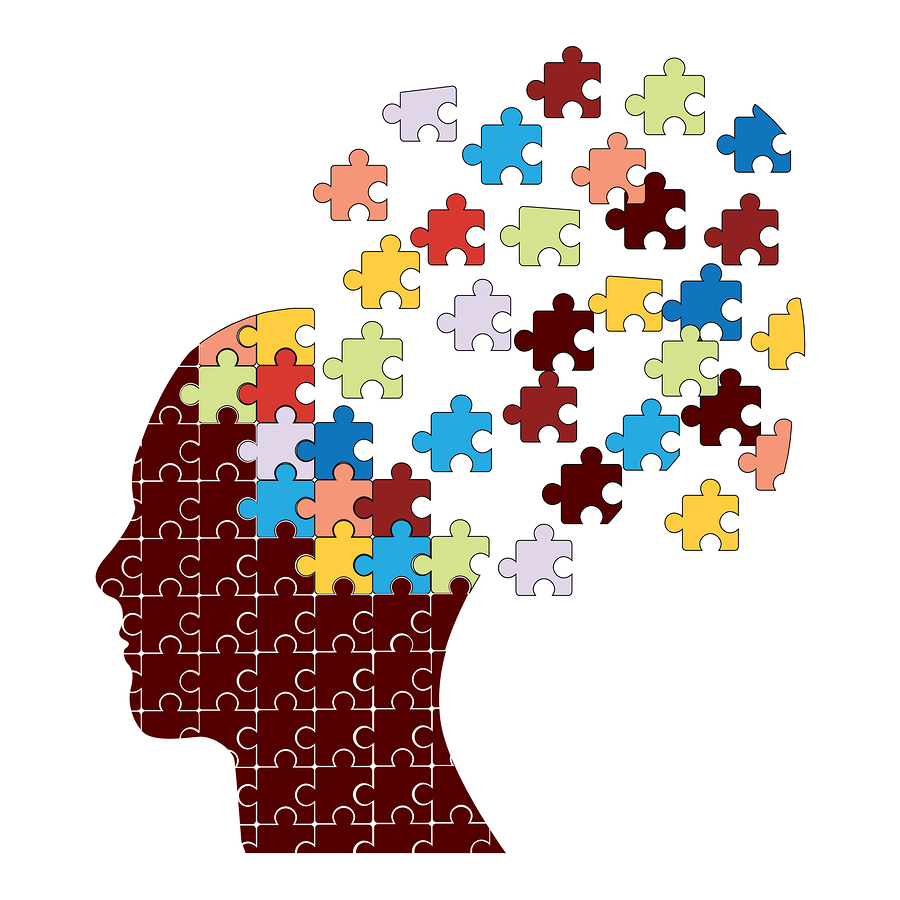 While always preferring to provide treatment for OCD and anxiety disorders in the least evasive manner as possible, non-pharmacological methods, such as cognitive-behavior therapy, should always be considered the first line of treatment. However, some children and adults find that progress with CBT absolutely requires the addition of psychotropic medication in order to calm the “storm” in their brains, and thereby gain better control over their emotions and thought processes.
In our experience, there is no difference in the course and prognosis between clients who require medication to get well, and those who do not. The addition of the right medication could make the difference between successful or unsuccessful treatment. For those needing medication evaluation and management, we offer information and referral to qualified, experienced psychiatrists in the south Florida area with specific expertise in the pharmacological management of OCD, spectrum and related disorders.
Telephone/Internet Based Treatment
 This service involves telephone or Internet-based video conference consultation and cognitive-behavior therapy with a qualified associate. Today’s internet technology offers possibilities previously unavailable to persons with OCD and related disorders. Not intended to take the place of “in-person” cognitive-behavior therapy, telephone or internet-based treatment may be particularly useful for persons who may not have a qualified behavior therapist with expertise in the treatment of OCD and related anxiety disorders available in their locale, patients who are severely house bound by their illness, or persons who, for various reasons, require the utmost in confidentiality. Internet-based video conference consultation requires that the patient have their own broadband internet connection and webcam operability.
NOTE: Due to the infancy of the use of internet based technology in counseling and psychotherapy, the effectiveness of internet based treatment has not been fully established scientifically, and therefore should not replace qualified “in-person” treatment with an OCD or anxiety disorders specialist if such help is available in your community.
For more information about internet based treatment, contact us at by email or call the Center at 954-962-6662.